
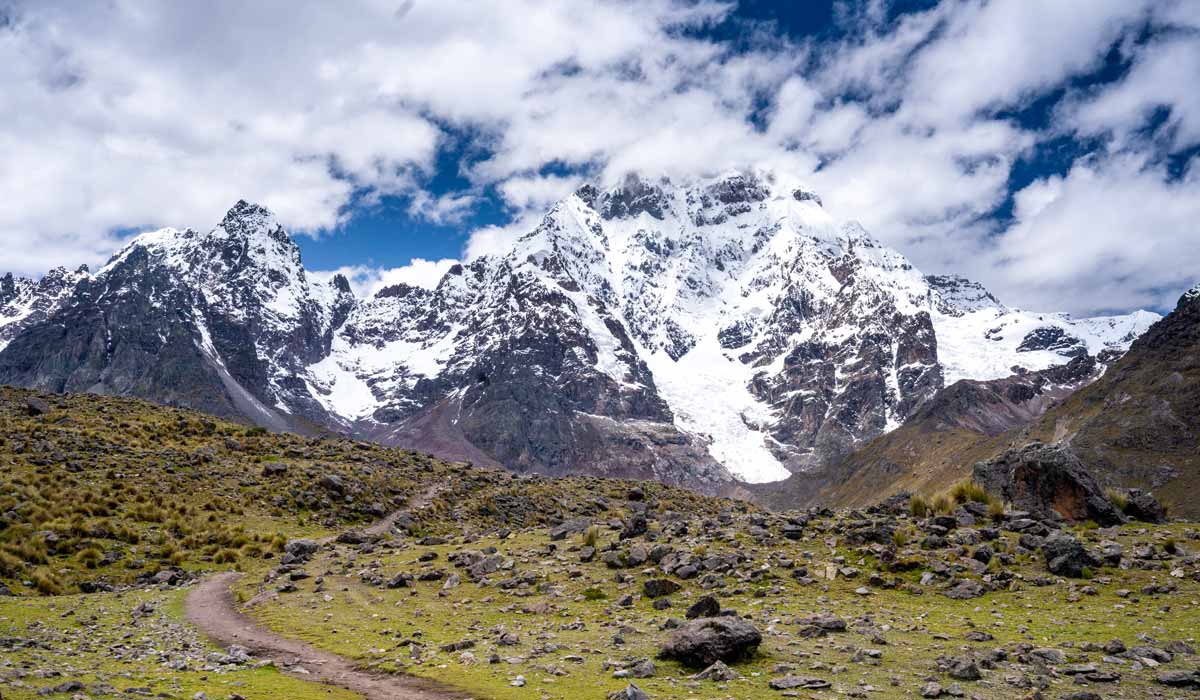
Ausangate Mountain is one of the most impressive natural landscapes in Cusco, renowned for its massive glaciers, turquoise lakes, and mountains in the Vilcanota Range. Beyond its natural beauty, it holds deep spiritual significance for Andean communities, who consider it an Apu, or sacred mountain. In this article, you’ll discover its location, main attractions, access routes, and recommendations to help you plan your visit.
Table of Contents
- Where is Ausangate Mountain located?
- What are the main features of Ausangate Mountain?
- What landscapes and attractions can you explore in Ausangate?
- How do you get to Ausangate Mountain from Cusco?
- How to visit Ausangate: Seven Lakes or trekking?
- When is the best time to visit Ausangate Mountain?
- Tips for visiting Ausangate Mountain
Where is Ausangate Mountain located?
Ausangate Mountain is located in the district of Ocongate, in the province of Quispicanchi, southeast of the city of Cusco, within the Vilcanota Range. It lies approximately 120 kilometers from Cusco and is one of the most iconic mountains in the Peruvian Andes.
Rising to nearly 6,300 meters (20,669 feet) above sea level, Ausangate stands out for its vast glaciers and the breathtaking landscapes surrounding it. Nearby, you’ll find high-altitude Andean communities such as Pacchanta and Upis, which serve as starting points for various hiking and sightseeing routes.
Its significance goes beyond its natural beauty. For local communities, this mountain is a sacred presence associated with the protection of the land, water, and life in the Andes.
What are the main features of Ausangate Mountain?
Ausangate is a glacial mountain that forms part of the Vilcanota Range. Its snow-capped peaks, rocky slopes, and vast grazing lands create a landscape typical of the high-altitude Andes.
Its main features include:
- Elevation: approximately 6,300 meters (20,669 feet) above sea level.
- Location: Ocongate District, Quispicanchi Province, Cusco.
- Mountain Range: Vilcanota.
- Natural surroundings: glaciers, lakes, valleys, and mountains.
- Wildlife: you may spot llamas, alpacas, and bird species native to the Andes.
- Activities: hiking, trekking, photography, and scenic sightseeing.
The weather is cold and can change rapidly due to the high altitude. Even on sunny days, temperatures can drop considerably, especially in the early morning and late afternoon.
What landscapes and attractions can you explore in Ausangate?
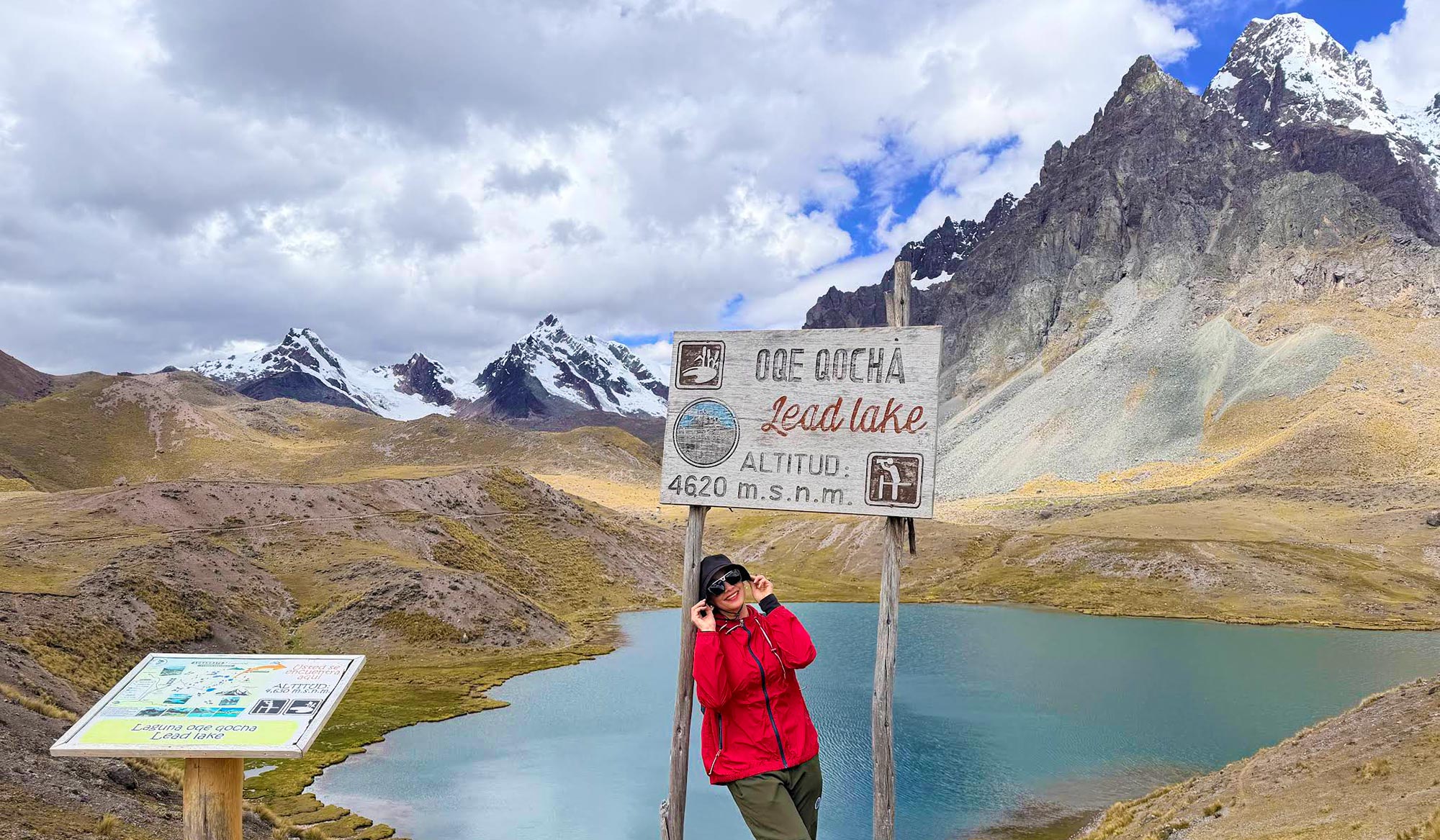
One of Ausangate’s greatest attractions is the variety of landscapes found in its surroundings. Its glaciers feed numerous lakes and small streams, creating a striking contrast with the mountains and high-altitude grasslands.
Some of the most interesting places to explore include:
The Seven Lakes of Ausangate
The Seven Lakes of Ausangate form one of the area’s best-known hiking circuits. Along the route, you can visit several glacial lakes featuring beautiful shades of blue, green, and turquoise. You’ll enjoy spectacular mountain scenery, views of Ausangate’s glaciers, and opportunities to spot Andean wildlife. The names and order of the lakes may vary depending on the route you choose.
Pacchanta and Its Hot Springs
Pacchanta is an Andean community located near Ausangate Mountain and one of the main starting points for exploring the surrounding area. It is known for its rural landscapes and natural hot springs, where visitors can relax after a hike while enjoying views of the snow-capped mountains.
The Landscapes of the Vilcanota Range
Along the trekking routes around Ausangate, you can admire snow-capped mountains, valleys, lakes, and vast grazing lands, where llamas and alpacas raised by local communities are a common sight. These breathtaking landscapes make the area an ideal destination for photography and outdoor adventure in the heart of the Andes.
| Attraction | What can you find? | Experience |
|---|---|---|
| Seven Lakes of Ausangate | Glacial lakes featuring beautiful shades of blue, green, and turquoise. | Hiking and landscape photography. |
| Pacchanta | An Andean community surrounded by mountains and rural landscapes. | Rural tourism and cultural experiences with local communities. |
| Pacchanta Hot Springs | Natural hot spring pools with stunning mountain views. | Relaxation after a hike. |
| Vilcanota Range | Snow-capped mountains, glaciers, valleys, and high-altitude lakes. | Trekking, photography, and scenic sightseeing. |
| Ausangate Mountain | One of Cusco’s most iconic mountains, featuring snow- and ice-covered peaks. | Mountain trekking and adventure. |
How do you get to Ausangate Mountain from Cusco?
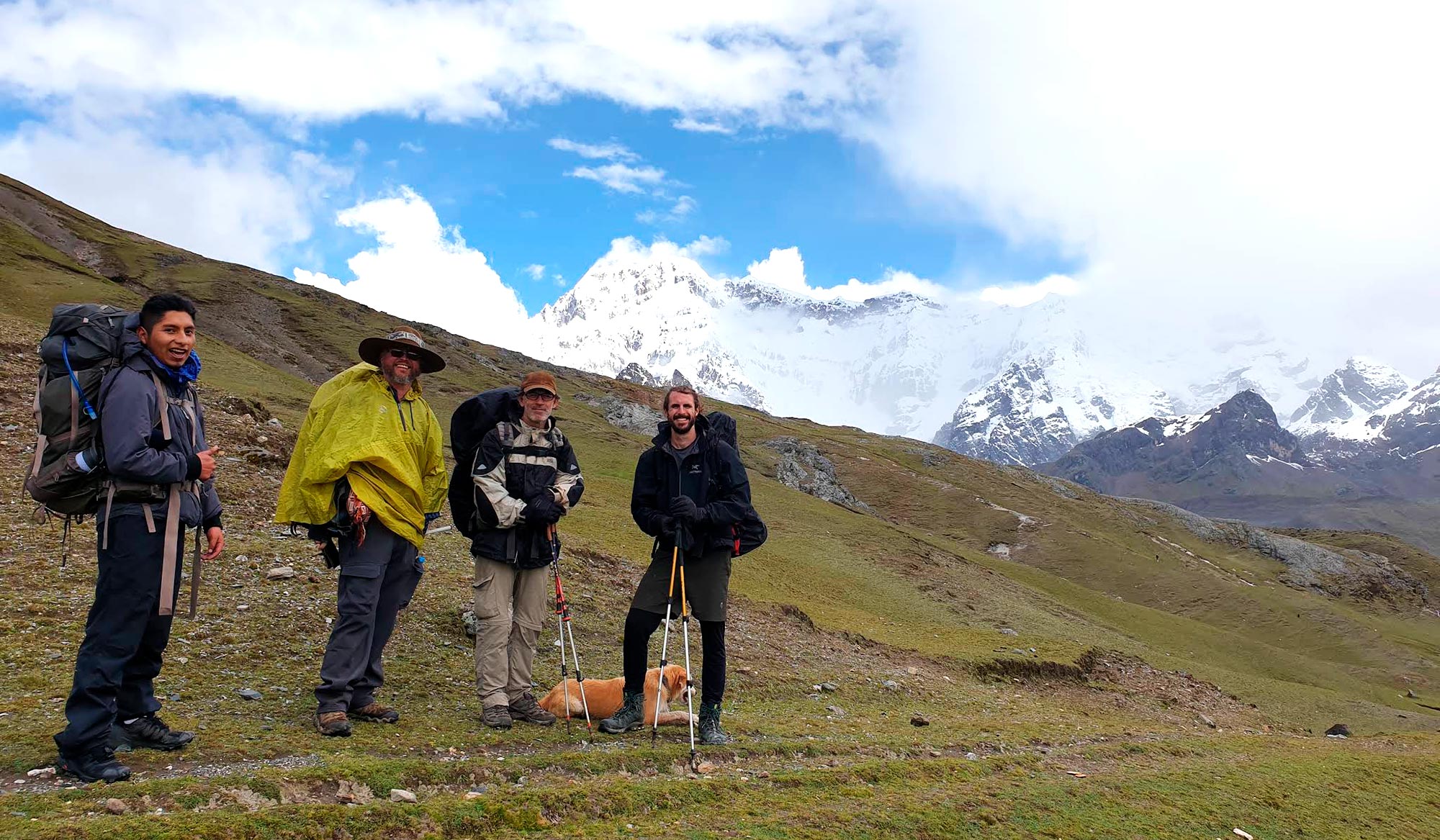
To reach the area surrounding Ausangate Mountain from Cusco, you’ll need to travel southeast through towns such as Urcos, Ocongate, and Tinki, before continuing to nearby communities like Pacchanta.
The road journey takes approximately 3 to 4 hours, depending on your destination, road conditions, and the type of transportation used.
One of the most popular routes is as follows:
- 1. Cusco – Urcos: Depart from Cusco and head toward the southern valley.
- 2. Urcos – Ocongate: Continue along the road toward the district of Ocongate.
- 3. Ocongate – Tinki: Reach this town, which serves as a starting point for various mountain routes.
- 4. Tinki – Pacchanta: Continue to the community of Pacchanta, where you can begin hikes through the surrounding Ausangate area.
Keep in mind that reaching Pacchanta does not mean you’ve reached the mountain’s summit. To get closer to its glaciers and lakes, you’ll need to continue on foot along mountain trails.
How to Visit Ausangate: Seven Lakes or Trekking?
There are several ways to explore Ausangate’s landscapes, depending on how much time you have and the type of adventure you’re looking for.
Seven Lakes Day Trip
The Seven Lakes excursion is a great option for exploring Ausangate’s landscapes in a single day. The route usually starts in the community of Pacchanta and follows mountain trails leading to several glacial lakes. The hike takes several hours and takes place at high altitude, so proper acclimatization beforehand is essential. At the end of the trek, you can unwind in Pacchanta’s natural hot springs.
Trekking Around Ausangate Mountain
For those seeking a more immersive experience, several multi-day trekking circuits cross different areas of the Vilcanota Range. These routes allow you to get closer to the glaciers, explore mountain lakes, and cross high-altitude mountain passes while enjoying spectacular natural scenery. Some routes start in Tinki and require overnight camping, specialized equipment, and the support of experienced guides.
The best route for you will depend on your fitness level, available time, and the type of adventure you’re looking for.
A Tip for Your Visit
If you plan to visit the Seven Lakes of Ausangate, consider spending a few days acclimatizing in Cusco before starting the hike. The route takes place at high altitude and requires considerable physical effort. Proper preparation will help you better enjoy the scenery and reduce the risk of altitude sickness.
When Is the Best Time to Visit Ausangate Mountain?
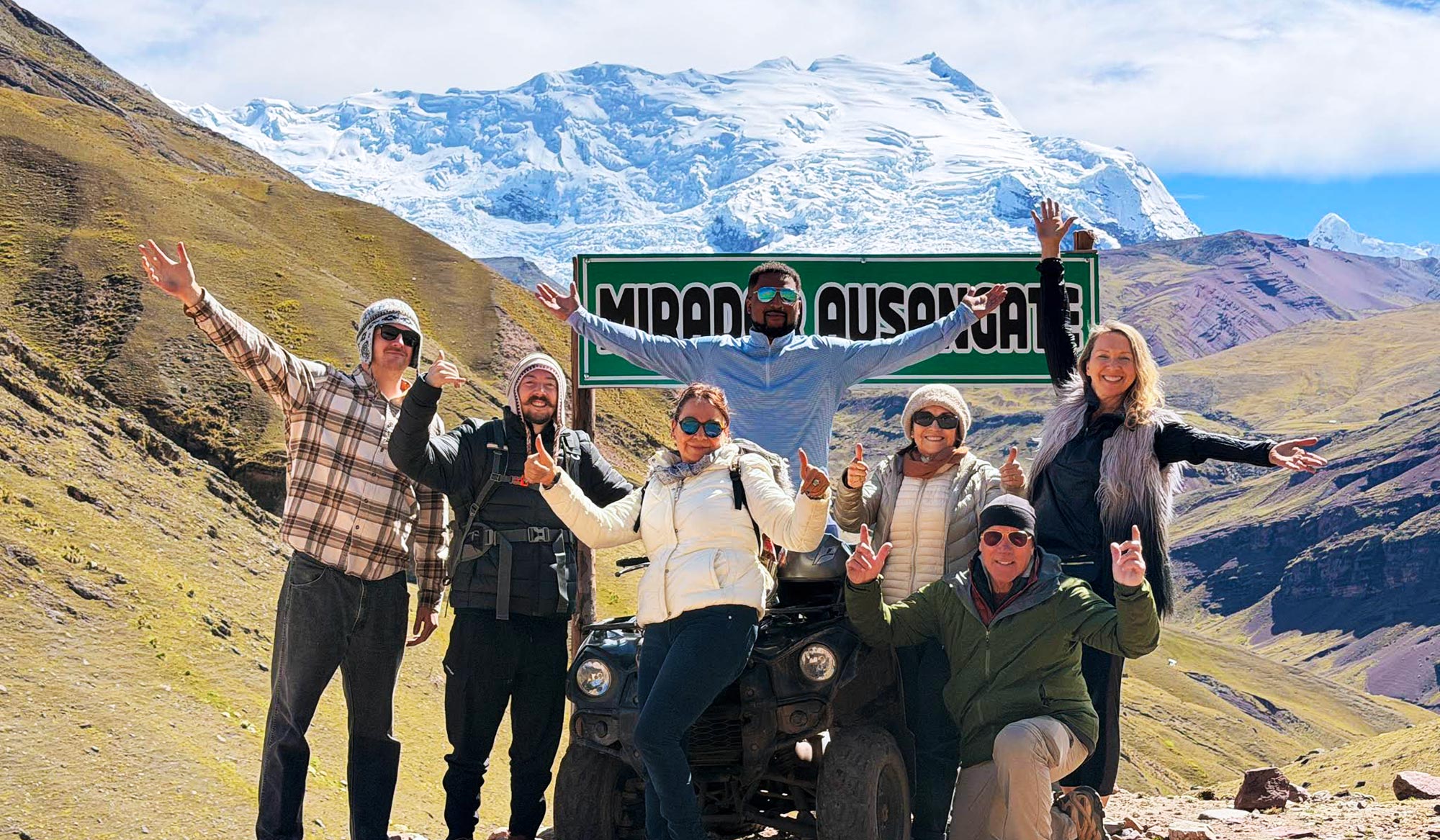
The best time to visit Ausangate Mountain is generally during the dry season, from April to October. During these months, rainfall is less frequent, and you’re more likely to enjoy clear skies and stunning views of the glaciers and lakes.
The rainy season, which typically runs from November to March, brings more frequent rainfall, cloudy skies, and potentially challenging trail conditions. However, the landscapes may take on beautiful shades of green.
Keep in mind that mountain weather can be unpredictable throughout the year. Even during the dry season, you may encounter rain, snowfall, strong winds, and very low temperatures. Before planning your visit, we recommend checking our guide to the best time to visit the mountain, where you’ll find useful information about weather conditions and the most recommended seasons.
Tips for Visiting Ausangate Mountain
Before embarking on an excursion or trekking adventure around Ausangate, keep the following recommendations in mind:
- – Acclimatize beforehand: the routes reach elevations above 4,000 meters (13,123 feet) above sea level, so it’s advisable to spend a few days in Cusco before attempting strenuous hikes.
- – Bring warm clothing: wear thermal layers, a waterproof jacket, gloves, a warm hat, and suitable trekking footwear.
- – Stay hydrated: carry enough water throughout your journey and avoid overexerting yourself.
- – Prepare your equipment: if you’re planning a multi-day trek, you’ll need appropriate gear for high-altitude mountain conditions.
- – Check the weather forecast: conditions can change quickly, affecting visibility and trail conditions.
- – Choose a specialized tour operator: for multi-day treks, it’s advisable to travel with experienced guides and have a well-planned itinerary.
- – Respect the natural environment: avoid leaving litter behind and stick to designated trails to help preserve this beautiful landscape.
Visiting Ausangate Mountain is an opportunity to discover one of Cusco’s most spectacular natural destinations. Whether you explore the Seven Lakes or embark on a multi-day hike, its mountains, glaciers, and breathtaking high-altitude landscapes promise an unforgettable experience.
Frequently Asked Questions
-
1. Where is Ausangate Mountain located?
Ausangate Mountain is located in the district of Ocongate, in the province of Quispicanchi, southeast of the city of Cusco, within the Vilcanota Range.
-
2. How high is Ausangate Mountain?
Ausangate Mountain rises to approximately 6,300 meters (20,669 feet) above sea level. Its exact elevation may vary depending on the source consulted.
-
3. Can you visit Ausangate Mountain in one day?
Yes. One option is to take a day trip to the Seven Lakes from the community of Pacchanta. However, completing the full trekking circuits around the mountain requires several days.
-
4. How long does it take to get to Ausangate from Cusco?
The road journey to nearby communities, such as Pacchanta, takes approximately 3 to 4 hours. Travel time depends on the route, road conditions, and transportation.
-
5. What are the Seven Lakes of Ausangate?
They are a group of glacial lakes located around Ausangate Mountain. Each lake features different colors, and together they form one of the area’s most popular hiking circuits.
-
6. Is trekking around Ausangate difficult?
The difficulty level depends on the route you choose. The Seven Lakes excursion involves several hours of hiking at high altitude, while multi-day trekking circuits require greater physical fitness and preparation.
-
7. What is the best season to visit Ausangate?
The dry season, from April to October, generally offers better conditions for hiking and enjoying the scenery. However, mountain weather can change at any time.